
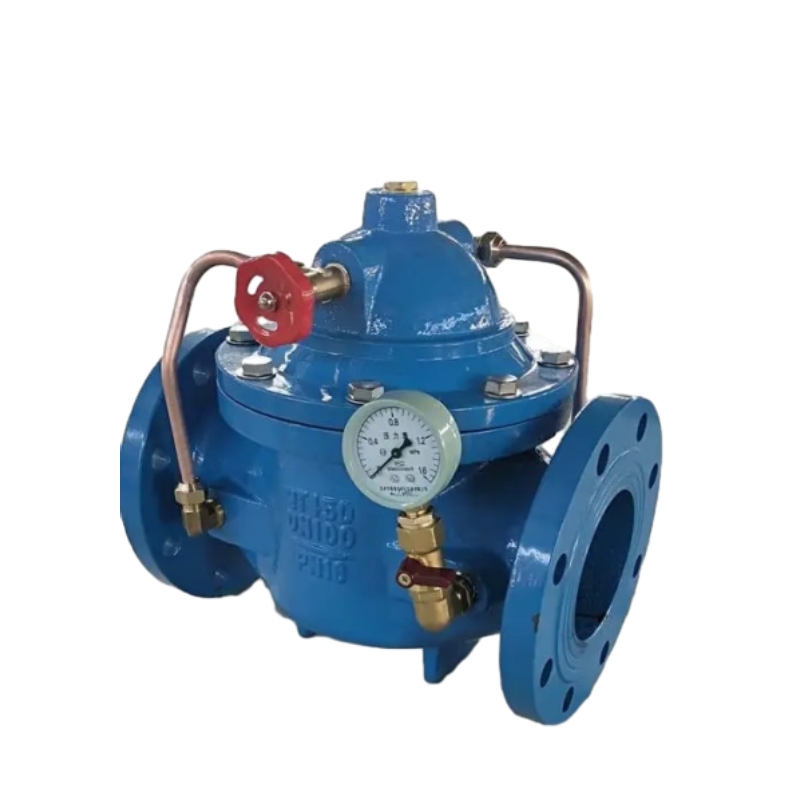
architectural glass panels
Understanding NPT Thread Ring Gauges Ensuring Precision in Thread Measurement National Pipe Taper (NPT) threads are a vital component in piping systems, widely used in various industries, including oil and gas, manufacturing, and plumbing. These threads are designed to create a tight seal when two pipes or fittings are connected, thus preventing leaks. To ensure the integrity and reliability of these connections, precise measurement and verification of the threads are essential. This is where NPT thread ring gauges come into play. Understanding NPT Thread Ring Gauges Ensuring Precision in Thread Measurement There are two primary types of NPT thread ring gauges the 'Go' gauge and the 'No-Go' gauge. The ‘Go’ gauge is used to verify that the thread fits properly and meets the standard specifications. If the thread can be screwed onto the ‘Go’ gauge without any force, it indicates that the thread is within acceptable tolerances. Conversely, the ‘No-Go’ gauge is meant to ensure that the thread does not fit. If the thread can be screwed onto the ‘No-Go’ gauge, it signifies that the thread profile is oversize and outside the specified limits. npt thread ring gauge The use of NPT thread ring gauges is crucial for several reasons. Firstly, they help manufacturers maintain quality control during the production process. By consistently monitoring thread dimensions, manufacturers can prevent costly errors that could arise from improper fittings. Secondly, these gauges contribute to safety. A poorly threaded connection can lead to leaks, causing environmental hazards and safety risks, particularly in high-pressure systems like those found in oil and gas applications. When utilizing NPT thread ring gauges, it's important to calibrate them regularly to ensure accuracy. This may involve comparing them against standard reference gauges or using specialized calibration equipment. Additionally, operators using these gauges must be trained in proper usage techniques to avoid common pitfalls, such as applying excessive force when checking fitment. In conclusion, NPT thread ring gauges play a crucial role in ensuring the reliability and safety of threaded connections in various industries. By adhering to stringent measurement standards and employing both 'Go' and 'No-Go' gauges, manufacturers can maintain high-quality production processes while minimizing the risk of malfunction and leaks. As industries evolve and technologies advance, the importance of precision instruments like NPT thread ring gauges will remain significant in preserving the integrity of critical piping systems.
about
architectural glass panels
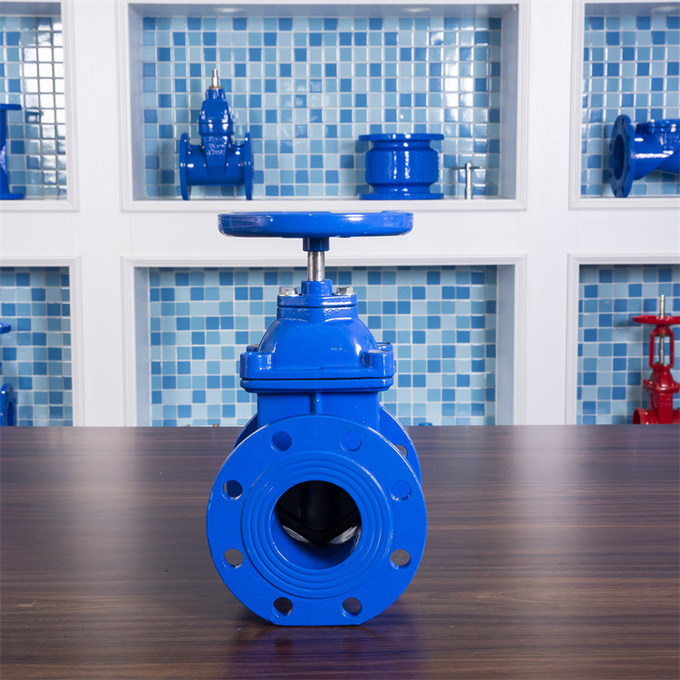
Types of Gate Valves for Water Supply Gate valves are fundamental components in hydraulic systems, particularly in water supply networks. They are primarily used to start or stop the flow of water and are characterized by their ability to provide a tight seal when closed. This article will explore the various types of gate valves used in water supply systems, highlighting their functions, designs, and applications. 1. Wedge Gate Valves Wedge gate valves are the most common type used in water supply systems. They feature a wedge-shaped disc that slides between two seats, allowing for a tight seal. When the valve is fully open, the disc is entirely out of the flow path, resulting in minimal pressure drop and excellent flow characteristics. These valves are ideal for applications where a quick shut-off is critical, such as in municipal water systems. The two most prevalent designs of wedge gate valves are the solid wedge and the flexible wedge. The solid wedge is robust and resistant to wear, making it suitable for high-pressure systems. In contrast, the flexible wedge allows for slight adjustments to the sealing surfaces, providing a better seal under varying pressures. 2. Parallel Gate Valves Parallel gate valves, or knife valves, use a parallel disc that moves vertically to control the flow. The design of these valves allows for a tight seal when closed, with the discs coming together at the center. These valves are particularly useful in wastewater management and systems that handle slurries or corrosive materials, as they are less prone to clogging compared to traditional wedge designs. Parallel gate valves often include a blade-like design that can cut through solids in the flow, making them suitable for applications where debris may be present . However, they may not provide as effective a seal as wedge gate valves in clean water systems. 3. Resilient Seated Gate Valves Resilient seated gate valves utilize a rubber or elastomeric seal for their seating surface, providing excellent sealing capabilities. These valves are increasingly popular in municipal water supply systems due to their ability to create a tight seal even under varying pressure conditions. The resilient seat also reduces wear and increases the valve's lifespan, making it a cost-effective choice for water supply applications. types of gate valve for water supply These valves can operate in both horizontal and vertical positions, providing versatility in installation. Their straightforward design allows for easy maintenance, which is a crucial factor in systems that require frequent servicing. 4. Tilted Disc Gate Valves Tilted disc gate valves have a unique design where the disc is tilted at an angle rather than being parallel or wedged. This design allows for improved flow characteristics and reduces turbulence when the valve is open. They are more commonly found in larger pipelines and industrial applications due to their ability to handle higher flow rates with less pressure drop. However, these valves can be more complex and costly to manufacture than standard wedge designs. Despite this, they offer significant advantages in high-flow applications where efficiency is critical. 5. Specialty Gate Valves In addition to the common types of gate valves, there are specialty valves designed for specific applications. For example, gate valves can be made from various materials, including stainless steel, ductile iron, and PVC, depending on the operating environment and the nature of the fluid. There are also gate valves equipped with acts of automation for remote operation, increasing efficiency in large water supply systems. Conclusion Selecting the appropriate gate valve for water supply applications involves understanding the specific requirements of the system, including flow characteristics, pressure conditions, and the nature of the fluid. Whether you opt for wedge, parallel, resilient seated, tilted disc, or specialty gate valves, each type has unique features and advantages tailored to meet different operational demands. As water supply systems continue to evolve, the role of gate valves remains crucial. Their reliable performance ensures that water can be efficiently and effectively managed, contributing to the overall health and sustainability of infrastructure worldwide. Understanding the various types of gate valves will aid engineers and decision-makers in designing and maintaining optimal water supply systems for future generations.
-

High quality industrial productsagement

High quality industrial products
View Details -

Meet the diverse needs of customers

Meet the diverse needs of customers
View Details -

Strict quality control

Strict quality control
View Details -

Top raw materials

Top raw materials
View Details -

Trusted supplier

Trusted supplier
View Details
Our application
news and information
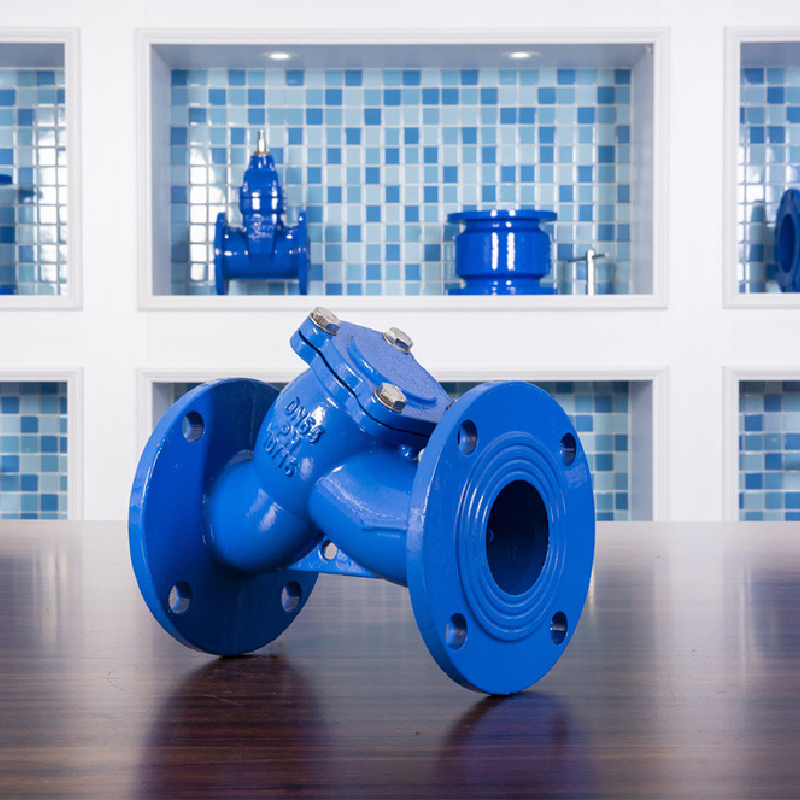
Valve for Sale Top Quality Guaranteed
Discover the perfect valve for your specific needs with our comprehensive guide to valves for sale.
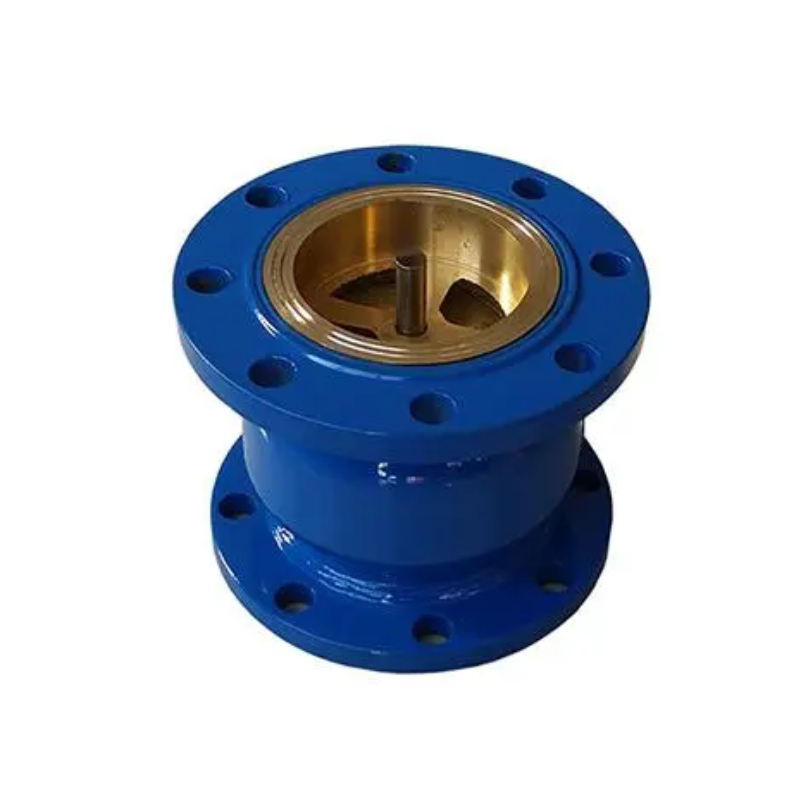
y type strainer filter,,10
Y Type Strainer Filter A Compreensive Guide Y Type Strainer Filter has become an essential tool in
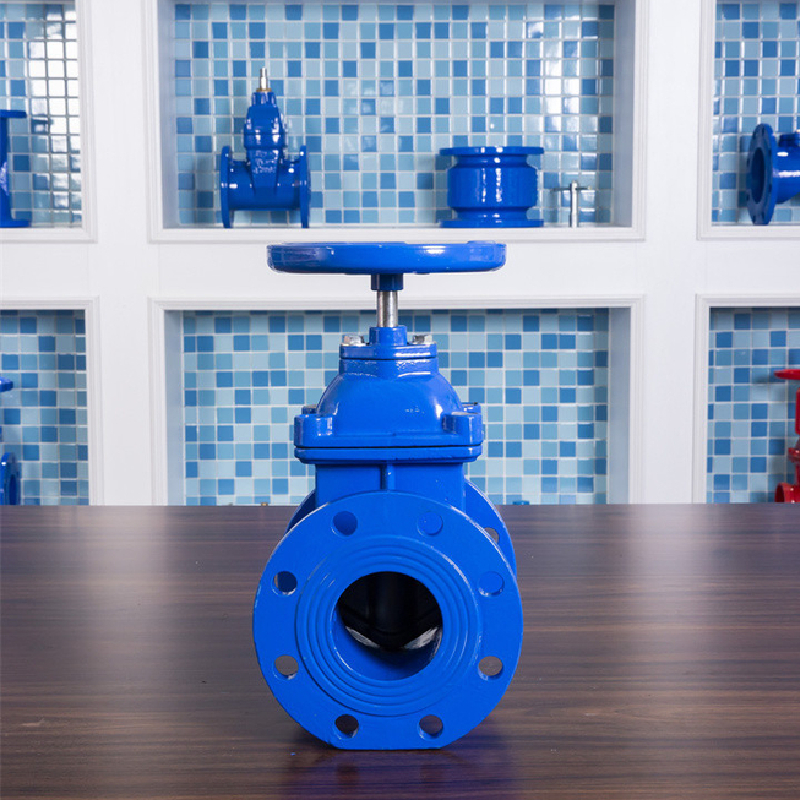
Water Valve Types And Their Delivery Times
Water valves play a crucial role in managing water flow within your home or industrial system. Wheth
 English